Telepsychiatry: Why Virtual Mental Health Visits Should Continue After COVID by: Sydney Gillice, PA-S2, South College Atlanta
When COVID-19 changed daily life, many healthcare visits moved online almost overnight. At first, virtual visits felt like a temporary solution. People needed care, but in-person appointments were not always safe or available. Mental health care was one of the areas that quickly adapted. Patients began meeting with psychiatrists, psychiatric providers, therapists, and counselors through video or phone appointments.
Now that the strictest parts of the pandemic are behind us, an important question remains: should telepsychiatry continue? The answer is yes.
Telepsychiatry, or virtual psychiatric care, should remain a normal option for patients. It should not replace every in-person visit, but it has made mental health care more accessible, flexible, and less intimidating for many people. For children, teenagers, adults, and older adults, virtual visits can be an important bridge to getting help.
One of the biggest reasons telepsychiatry should continue is access. Even before COVID, many people struggled to find mental health care. Some communities have very few psychiatrists, therapists, or counselors. Patients in rural areas may have to drive a long distance to see a provider. Even in larger cities, waitlists can be long. When someone is dealing with anxiety, depression, ADHD, trauma, bipolar disorder, grief, substance use, or sleep problems, waiting months for care can make symptoms worse.
Virtual visits help reduce some of these barriers. A patient who does not have reliable transportation may still be able to attend an appointment. A parent who cannot easily take time off work or find childcare may be able to meet with a provider from home. A college student away from home may be able to continue care without starting over with a new provider. An older adult who has trouble driving may be able to receive support without leaving the house.
Telepsychiatry can also make care feel less intimidating. Mental health stigma keeps many people from reaching out for help. Some patients worry about being seen walking into a mental health clinic or sitting in a waiting room. Others feel embarrassed to admit they are struggling. Being able to attend an appointment from a private, familiar space can make that first step easier.
Virtual mental health care can support patients across the full lifespan. For children, it can allow providers to involve parents or guardians more easily and sometimes see behavior in the home environment. For teenagers, virtual visits may feel more comfortable because they are used to technology and may open up more from a familiar space. For adults, telepsychiatry can make it easier to balance care with work, family, and daily responsibilities. For older adults, it can reduce transportation stress and allow family members or caregivers to be involved when appropriate.
Telepsychiatry can also improve consistency. Mental health treatment often works best when patients attend regular appointments. Missed visits can lead to delayed medication adjustments, worsening symptoms, or gaps in therapy. In-person visits can be interrupted by traffic, illness, bad weather, childcare issues, school schedules, or work conflicts. Virtual visits do not solve every problem, but they make it easier for many patients to stay connected to care.
It is also important to remember that mental health care is still real care, even when it happens through a screen. A provider can still ask about mood, anxiety, sleep, appetite, attention, medication side effects, safety, relationships, work, school, and daily functioning. Patients can still share what they are experiencing. Providers can still adjust medications, recommend therapy, teach coping strategies, and help create a treatment plan.
That does not mean telepsychiatry is perfect. Some situations still require in-person care. A patient in crisis, someone who cannot stay safe, or someone needing a higher level of support may need emergency or face-to-face treatment. Some patients do not have a private space, reliable internet, or the technology needed for virtual visits. Others simply feel more comfortable in person. These limitations matter, but they do not mean virtual care should disappear.
The best option moving forward is a flexible model. Patients should have access to both in-person and virtual care when appropriate. Some appointments may need to happen in an office, while routine follow-ups, therapy sessions, and medication checks may work well virtually. This kind of flexibility respects the reality of people's lives.
Mental health care should be high-quality, safe, and accessible. For many people, telepsychiatry makes that possible. It should remain part of mental health care because patients deserve options, and sometimes the easiest way to begin healing is from the place where they already feel safe: home.
Mental Health News from Avant Interventional Psychiatry
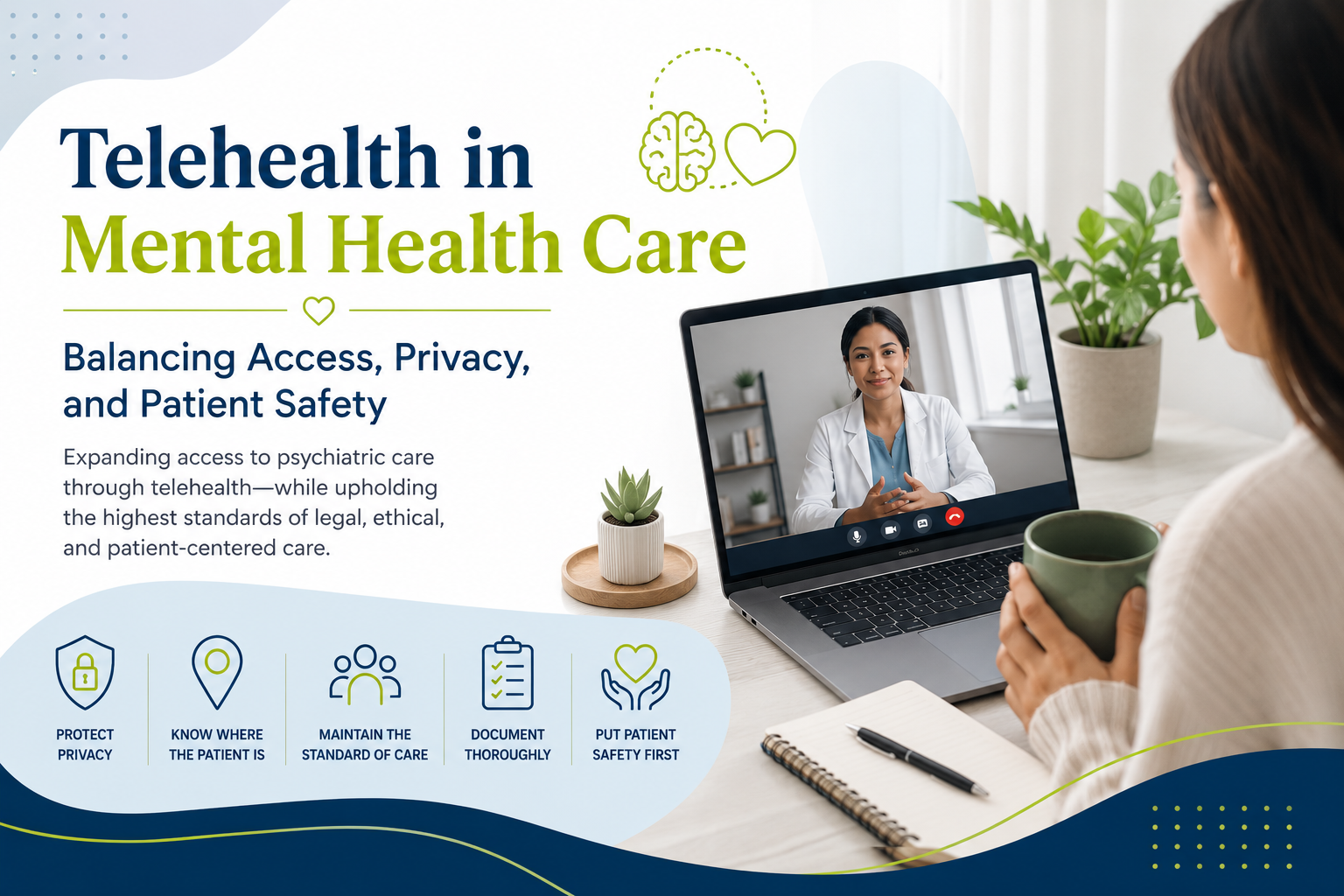
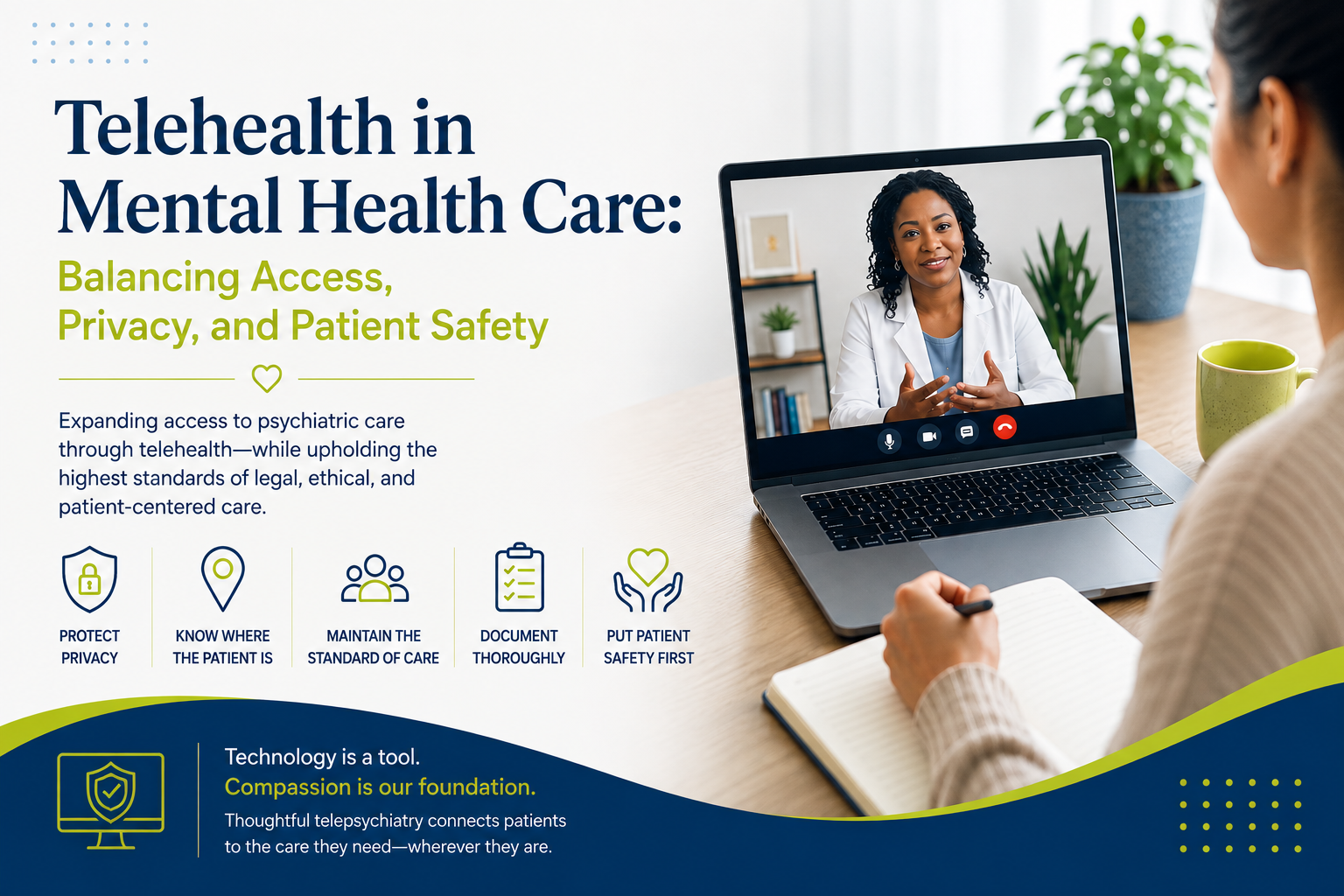
As part of our commitment to providing valuable mental health news and educational resources, Avant Interventional Psychiatry encourages conversations about innovative ways to improve access to care. Telepsychiatry has transformed the mental health landscape by allowing patients to connect with qualified providers from the comfort and privacy of their homes, helping reduce barriers to treatment and improving continuity of care.
Under the leadership of Dr. Okah "Justin" Anyokwu, Board-Certified Psychiatrist and Medical Director of Avant Interventional Psychiatry, our team remains dedicated to expanding access to high-quality psychiatric care across Georgia. Through services including psychiatric evaluations, medication management, therapy, TMS therapy, Spravato treatment, and telepsychiatry, Avant Interventional Psychiatry continues to help patients receive the support they need when and where they need it.
Whether through in-person visits or virtual appointments, our mission is to provide compassionate, evidence-based mental health care that empowers individuals to achieve lasting wellness.
Chief Preceptor of Clinical Practicum Program – Dr. Okah Anyokwu
Director of Clinical Practicum Program – Xavier Hicks