Community Resources for Black Individuals and Families
Supporting Black individuals and families involves recognizing and addressing the unique challenges they face. Here are various types of community resources that can contribute to the well-being and empowerment of Black communities:
- Healthcare Services:
- Access to affordable healthcare clinics and services that are culturally competent.
- Mental health resources, including counseling and support groups tailored to the Black community's needs.
- Community health fairs and outreach programs to promote preventive care.
- Education and Mentorship:
- Scholarships, mentorship programs, and educational resources aimed at supporting Black students.
- Tutoring programs and resources to enhance educational opportunities.
- Workshops on college preparation, financial literacy, and career development.
- Legal Assistance and Advocacy:
- Legal aid services to address issues such as discrimination, housing, and employment.
- Community organizations focused on advocacy for civil rights and social justice.
- Know Your Rights workshops to educate individuals on their legal rights.
- Financial Empowerment:
- Financial literacy programs provide education on budgeting, saving, and investing.
- Access to affordable banking services and information on homeownership programs.
- Job training and career development initiatives to enhance economic opportunities.
- Community Centers and Gathering Spaces:
- Safe and inclusive community centers that offer recreational activities, educational programs, and cultural events.
- Support for cultural celebrations and events that foster a sense of community.
- Networking opportunities to connect individuals with similar interests or goals.
- Food Security Programs:
- Access to affordable and healthy food through community gardens or food co-ops.
- Food assistance programs, including local food banks and meal services.
- Nutrition education workshops to promote healthy eating habits.
- Parenting and Family Support:
- Parenting classes and support groups tailored to the unique challenges faced by Black families.
- Family counseling services to strengthen relationships and address specific issues.
- Childcare resources and information on quality early childhood education.
- Cultural and Arts Programs:
- Arts and cultural programs celebrating the diversity of the Black community.
- Access to museums, galleries, and cultural events that highlight Black history and achievements.
- Support for local artists and performers through grants and exhibitions.
- Technology and Digital Inclusion:
- Programs offering access to technology and the internet for educational and career purposes.
- Coding and technology workshops to bridge the digital divide.
- Initiatives promoting STEM education and careers in underrepresented communities.
- Community Outreach and Support:
- Community outreach initiatives provide information about available resources.
- Support groups for specific needs, such as single parents, LGBTQ+ individuals, or those dealing with specific health conditions.
- Emergency assistance programs to help individuals facing immediate challenges.
Black Americans face higher poverty rates compared to non-Hispanic White Americans. Disparities in health insurance coverage exist, with a higher percentage of Black Americans being uninsured. Mental health issues are prevalent, but there's a lower rate of mental health service utilization among Black Americans.
Black Americans have limitations in receiving adequate resources in their local communities. There is limited access to finances, healthy food, education, health care coverage, and job flexibility. This culturally diverse population is at a disadvantage in their local communities which increases their vulnerability to accessing community resources. Community resources need to be easily accessible, culturally sensitive, and responsive to the specific needs of Black individuals and families in the community. Collaborative efforts involving local government, non-profit organizations, and community leaders can contribute to the success and sustainability of these initiatives.
Authentic community engagement is crucial in shaping health policy to address disparities. Understanding the local environment, neighborhood conditions, and nutritional food access is essential for health equity. Community-led approaches tailored to local needs are important in addressing health disparities. Black communities need a voice to communicate their needs and improve equal access to resources. Advocacy, funding, and education can contribute to culturally competent care and improved health equity. Community-led approaches that are specific to fit local needs are important to address. Surveys and community meetings with incentives for involvement can help identify and address barriers to health equity. Collaboration and outreach strategies are vital for ensuring the equitable provision of healthcare.
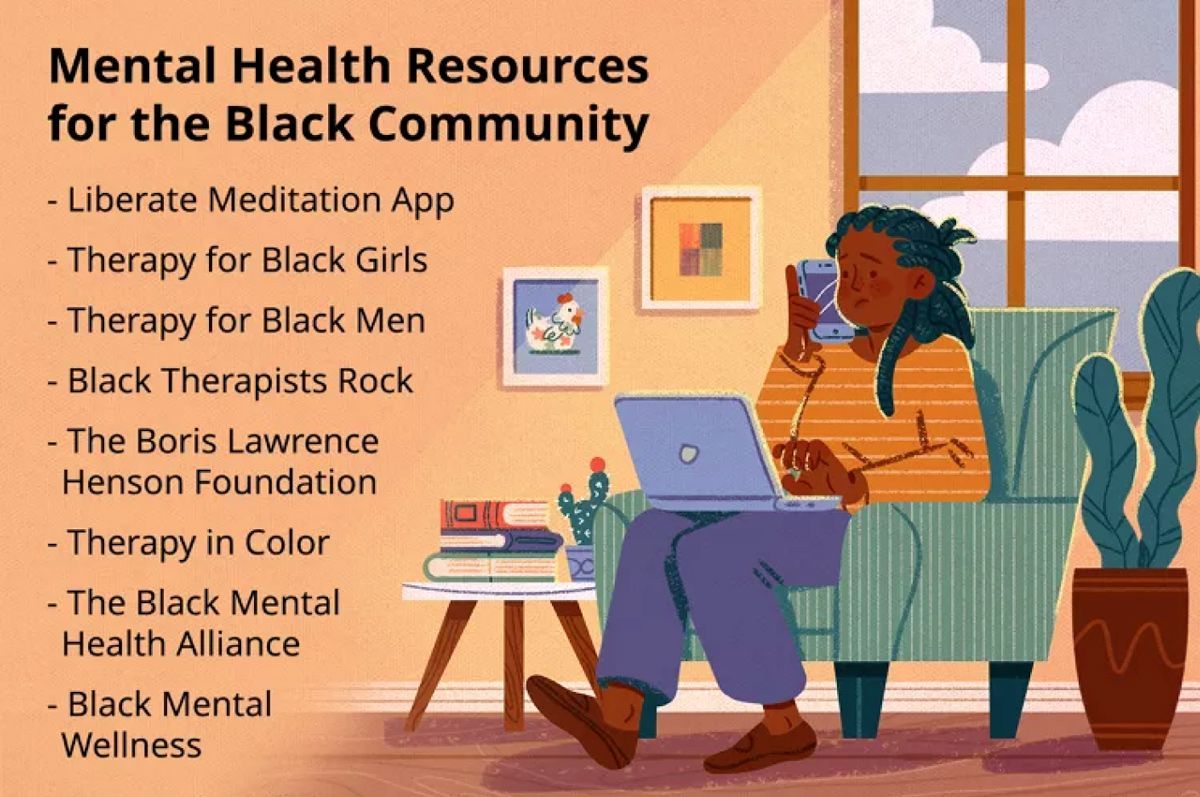
Community resources that can contribute to the well-being and empowerment of Black communities:
NAMI: African American Mental Health
National Alliance on Mental Illness is an association of more than 500 local affiliates who work in your community to raise awareness and provide support and education that was not previously available to those in need. NAMI works to educate, advocate, listen, and lead to improve the lives of people with mental illness and their loved ones.
NAMI: Sharing Hope is a three-part video series that explores the journey of mental wellness in Black communities through dialogue, storytelling, and a guided discussion on mental wellness and youth, community leaders, and Black families.
Black Emotional and Mental Health Collective (BEAM) provides resources, mental health education, community and skills-building programs, and support groups. A collective of advocates, yoga teachers, artists, therapists, lawyers, religious leaders, teachers, psychologists, and activists committed to the emotional/mental health and healing of Black communities.
Black Men Heal provides access to mental health treatment, psycho-education, and community resources to men of color.
Black Mental Health Alliance can be reached at (410) 338-2642 and provides information, resources and a “Find a Therapist” locator to connect with a culturally competent mental health professional.
Brother You're on My Mind an initiative by Omega Psi Phi Fraternity, Inc. and the National Institute on Minority Health and Health Disparities to raise awareness of the mental health challenges associated with depression and stress that affect African American men and families. The website offers an online toolkit that provides Omega Psi Phi Fraternity chapters with the materials needed to educate fellow fraternity brothers and community members on depression and stress in Black men.
Ourselves Black is a website that offers resources, information on mental health conditions and positive coping, and a podcast, online magazine, and online discussion groups about mental health.
Sista Afya nonprofit that provides mental wellness education, resource connection, and community support for Black women.
The Steve Fund nonprofit focuses on supporting the mental health and emotional well-being of young people of color.
Black Americans may lack the resources to build support networks in their local communities. Black community networks are working to destigmatize mental health and build support networks. Social media platforms are no substitute for seeing a trained psychologist, psychiatrist, or other mental health professional. That said, the licensed experts here at Avant Psychiatry can help guide Black people to better understand mental health problems.
Conclusion:
In conclusion, the dynamics within families with ADHD can be complex and challenging, particularly in terms of sibling relationships. Communication challenges often arise due to the unique characteristics of ADHD, such as impulsivity and inattention. Siblings need to develop a deep understanding of each other's experiences and challenges to foster empathy and support within the family unit.
Parents play a crucial role in maintaining harmony within the family by providing structure, consistency, and support for all their children. By creating a nurturing environment that promotes open communication and understanding, parents can help siblings navigate the difficulties that may arise from having a sibling with ADHD.
Furthermore, various strategies can be implemented to support siblings with ADHD. These include fostering positive sibling relationships through shared activities and interests, providing education about ADHD to increase awareness and understanding, and seeking professional help when needed. By implementing these strategies, families can create a supportive environment that allows all children to thrive despite the challenges presented by ADHD.
Overall, families with ADHD need to prioritize
open communication, empathy, and
support to foster healthy sibling dynamics and promote overall family harmony.